

Category

Child Support: Legal Obligations and What to Do If Not Paid

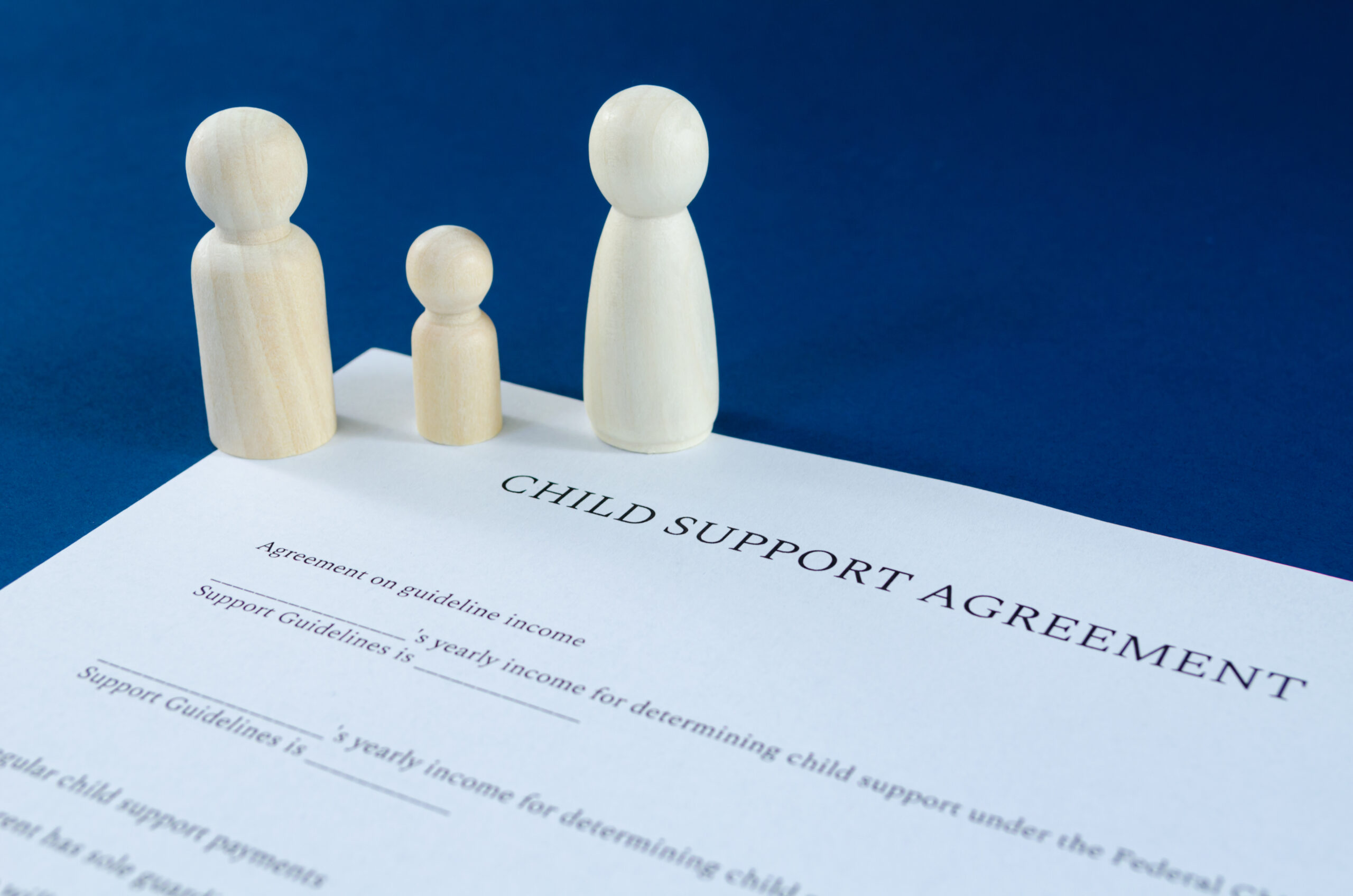
Child support is one of the most important issues in any family law case involving children. Courts in California take these obligations seriously, as child support is meant to ensure the financial stability and well-being of kids. But what happens if the payments stop coming? In the video below, we’ll break down the legal obligations of child support, what happens if those obligations aren’t met, and the enforcement tools available to make sure orders are followed. We’ll also cover the steps you can take if you’re not receiving court-ordered support, from documenting missed payments to pursuing wage garnishments or asset liens. Finally, we’ll discuss why working with an experienced family law attorney can make all the difference in securing and protecting your child’s financial future. Whether you’re the parent seeking support or the one facing enforcement actions, understanding your rights and responsibilities is key to avoiding costly mistakes. Contact child support attorney Sina Mohajer for a free consultation if you have any questions about your child support situation.  Transcript: In any family law case where you have minor children, you’re going to have to deal with the issue of child support. Now, I have other videos where I dive in as to what the court uses as far as factors to determine the child support amount. But in this particular video, I want to address what are the legal obligations of child support, consequences of nonpayment, what are some legal actions you can take to enforce your child support order, as well as what to do if you find yourself in the area where you haven’t been receiving the support that you were once ordered to receive. Hi, I’m Sina Mohajer with Mohajer Law Firm. We specialize in Family Law, Estate Planning, Criminal Defense, and Personal Injury. In these mini series, I like to tackle complex legal issues and try to simplify it for our viewers in order for you to have the knowledge and know-how to handle your legal situation on your own, or perhaps to answer some of those questions that have been lingering around. So if you like the contents of this video, hit that like button, and don’t forget to subscribe so you’re always informed of any new videos being posted. Without further ado, I welcome you all to our new mini series called A Walk in the Park. Legal Obligations of Child Support So what are some legal obligations of child support? Well, there’s a difference between voluntary and court-ordered or mandatory child support. Voluntary Child Support If it’s voluntary, then there’s no enforcement, really, you can do to make sure that you’re receiving that amount every month. Court Ordered Child Support But if it’s court-ordered, it’s mandatory. The state has such an interest in making child support mandatory because they have an interest in the financial stability of those children. They don’t want that financial burden to fall on tax paying dollars, and they want to make sure that the other parent is pulling their weight. It’s so important for the state that they’ve created an entity called the Department of Child Support Services. Their sole purpose is to ensure that child support is ordered and it’s being enforced. Consequences of Not Paying Child Support So what are some consequences for nonpayment of child support? Well, like I said, DCSS gets involved. They have the ability to suspend driver’s licenses or revoke passports until the child support amount is paid. They can seize tax refunds that are coming in and be able to put their hands on it to cover any amount that is previously owed. There is also a potential of filing a contempt motion. When you file for a contempt, you’re basically alleging to the court that the other parent is violating a court order, which is violating the law. It becomes a quasi-criminal action where the other parent can be facing jail time or a fine. Legal Actions to Enforce Child Support So what are some legal actions that you can take in order to enforce your child support? Wage Garnishment Well, wage garnishment is one. A wage garnishment is where the court makes an order, and it’s sent to the payor’s employer. The employer is then obligated to withhold a certain amount after every pay period to ensure that the child support is being paid on time. Now, there are laws in place where an employer cannot take or seize more than 50% of the paycheck, but normally that’s more than sufficient to cover your child support obligation. Lien on Assets Another legal action is also to petition the court and levy or place liens on certain assets of the payor in order to ensure that you’re able to collect your child support. What to Do When Not Receiving Child Support Now, what do you do in the event where you are not receiving your child support and you’re owed this amount? Document Everything One thing to do—and always do—is document everything. Keeping a journal is always a great idea to ensure that you don’t forget what months, how much you received, or how much you didn’t receive. Being able to show this to the court at the time of your hearing, by having your evidence in place, allows for a smooth transition. Contact a Child Support Attorney Another thing you can do is contact a seasoned family law attorney. Attorneys understand the resources available and the tools available to get into court and get you the orders that you want. They can potentially help you avoid any costly mistakes that you might be making on your own. It also ensures the financial stability of your kids. After all, kids are expensive. We want to make sure that we get a proper and fair child support order, and we make sure that the other parent is paying. Contact Mohajer Law Firm About Your Child Support So if you have questions about your particular case, I welcome you to


Continue Reading Child Support: Legal Obligations and What to Do If Not Paid

How Does Substance Abuse Affect Child Custody Decisions?

Substance abuse can have a serious impact on child custody decisions in California. If you’re involved in a custody dispute and believe the other parent has a substance abuse problem—or if you’re being accused yourself—understanding how the court views these allegations is critical. In this video, we’ll cover how substance abuse influences custody arrangements, what kind of evidence the court requires, and what legal steps you can take to protect your parental rights and your child’s well-being. If you’re facing a custody dispute involving substance abuse allegations, Mohajer Law Firm is here to help. We specialize in family law and are dedicated to protecting your rights and your children’s best interests.  Transcript: In any child custody matter, the court looks at multiple factors before deciding on a parenting schedule. However, in this video, I want to focus and address substance abuse issues in a custody dispute. Specifically, how substance abuse affects child custody decisions, the legal effects if a co-parent is accused of a substance abuse problem, and lastly, what if you’re the one who’s being accused of having a substance abuse issue? For those who don’t know me, I’m Sina Mohajer with Mohajer Law Firm. We specialize in Family Law, Estate Planning, Criminal Defense, and Personal Injury. In these videos I like to tackle complex issues and try to simplify them for our viewers in order to give you the knowledge and know-how to handle your case more effectively. So if you like the contents of this video, please hit that like button and also, don’t forget to subscribe so you’re always informed of any new videos being posted. And without further ado, I welcome you all to our new mini-series called A Walk in the Park. Substance Abuse and Child Custody Decisions So how does substance abuse affect a custody decision? Well, you have to remember, in California, the primary focus and the standard of review is what is in the best interest of the children. So if there are accusations of any type of substance abuse, the court looks at that in determining what type of parenting schedule that parent should have. So if there’s a history of substance abuse, chances are you might end up with supervised visitation. You could end up with limited custody or completely losing your parental rights outright. Evidence Must Be Presented So anyone who is accusing the other parent of a substance abuse issue, they carry the burden of proof. That means you have to present evidence to the court to establish that there is a problem, either through witness testimony, past medical records, or even failed drug tests. If a Co-Parent Is Found to Have a Substance Abuse Problem Now, what is the legal effect if a co-parent has a substance abuse problem? When you have a parent who has a substance abuse issue, it’s very important that you get before the judge. Request for Order or Modification If you have a prior court order, you file a request for a modification. If you don’t have a prior order, then you usually file a request for order to get in front of that judge to explain what is in the best interest of these children and what kind of parenting schedule you are requesting. Supervised Visitation Now, if it is found that there is a substance abuse issue, the court has the ability to order supervised visitation. What that means is that when that parent has their custodial time with the children, they’re going to have a third party there present to ensure that the parent is not under the influence of any type of alcohol or drugs and that the children are safe and in a safe environment. Random Drug Testing The court also has the ability to order random drug testing or, if it’s an alcohol issue too, for the parent to enroll in a program, for example, like Sober Link, where it allows one parent while the other parent gets a live feed whether they pass a test or not. That ensures the court that the parent who has a substance abuse issue is not under the influence when they have the kids in their custody. What If You’re Accused of Substance Abuse? But what do you do if you’re the one who’s being accused of having a substance abuse issue? Seek Legal Counsel to Properly Represent Yourself Well, it’s very important to seek legal counsel. When you go to court, this is your one time to show and disprove to the court if there are any false allegations against you, to show the court that you are a fit parent. If you go to court not represented and you feel that you did not adequately represent your own best interests and the court orders something that you don’t like, there is very little that any attorney can do for you after the fact. So if you have any uncertainties or you’re weary about what’s going to happen in court, it’s very important to speak to a seasoned family law attorney who is familiar with these types of allegations and can navigate the case more efficiently for you. What If You Do Have a Substance Abuse Problem? Enroll in a Substance Abuse Program If, however, you do have a substance abuse problem or perhaps you did in the past, one way to show the court that you are fit to be a parent and have that custodial time with your children is to voluntarily enroll into programs such as either AA or some type of drug treatment program. That shows the court that you’re owning your responsibility and showing to the court that you do have a problem and you’re addressing it. So long as you’re able to establish that you are addressing it and you are clean and there’s no endangerment to the children, then potentially you can avoid having any type of supervised visitation or random drug testing. Substance Abuse Was a Past

Continue Reading How Does Substance Abuse Affect Child Custody Decisions?

How Does a Judge Determine Child Custody?

If you’re involved in a divorce with children, you may be wondering how a judge determines child custody. It’s a general question for family law attorneys, and it can depend on all the factors of your specific case. The Family Code’s goal is to ensure that any custody arrangement is in the child’s best interests. But what does that mean? Here’s what to consider. 50/50 Time isn’t Always the Best It’s often presumed that the child’s best interest is to have equal time with both parents. That’s generally a 50/50 split, where the child spends half of their time with one parent and half with the other. But not every case is the same, and not every case requires that split. There are a lot of factors that go into determining what’s in the best interest of the child. Additionally, the child’s age may also matter because older children have more opportunities to choose what works for them. Factors in a Custody Decision Suppose you’ve typically been the primary custodial parent who takes the children to medical appointments, gets them ready for bed, feeds them, and goes to school activities. In that case, it generally makes sense for you to continue in that role. Unless there are extenuating circumstances, the other parent would be given visitation. The visitation schedule depends on the circumstances, though, and can be very individualized for each case. One of the main factors the court will consider is whether the other parent was primarily the one financially supporting the family. If that’s been the case, a 50/50 split doesn’t make sense. The other parent will be at work and unable to keep an eye on the kids 50% of the time. If you’ve been a stay-at-home parent, you’re already shown to be capable of taking care of the children full-time. If you intend (or need) to go back to work, though, a 50/50 split with babysitting may be more realistic. It’s Best to Have an Attorney On Your Side To ensure you’re getting what’s fair and just in your child custody case, you want to have an aggressive, knowledgeable attorney on your side. That can increase your chances of getting custody and receiving a fair agreement with the other parent. Whether you’re looking for full custody or a 50/50 split with the other parent, an attorney can help you with the insight and information you need to make an informed choice. Reach out to the Mohajer Law Firm today, and let’s discuss your child custody case. That can help you have more peace of mind and ensure that the final custody arrangement is the best for your children.

Continue Reading How Does a Judge Determine Child Custody?

Which Parent Gets To Claim the Child On Their Taxes?

Suppose you’re part of a family law proceeding, whether for a divorce case or a custody case, you may wonder which parent gets to claim the child on their taxes. The answer is it depends, but at the same time, there’s also not a clear answer to the question at all. Judges have generally been inconsistent on the issue of which parent can claim the child on their taxes. That’s because it’s a federal question, and the IRS is governed by federal law, not state judges. Federal Law Supersedes State Law Federal laws come before state laws; if the two laws conflict, then the federal law must be followed. Usually, judges don’t get involved in deciding who claims the child on taxes. If a judge rules on that issue, the court typically awards tax-filing status to the parent with the majority of the custody. The argument is that the parent who has the child in their home most of the time is the one who should be able to claim the child for tax purposes. One of the ways the court will often get involved is if the parents have a specific agreement for who gets to claim the child. They might agree to switch off every year, for example, with one parent claiming the child one year and the other claiming the child the following year. Courts and judges typically rubber-stamp those agreements since they are what both parents have decided is fair to them. Still, some judges won’t sign off on that agreement, even if both parents are okay with it. It Can Be First Come, First Served The most important thing for the parents to know about claiming a child on their taxes is that the IRS generally only cares about who files taxes first. If one parent files first and claims the child, the other parent can’t claim that same child on their tax return. If they try, they’ll get a notice from the IRS informing them that they can’t claim the child. If one parent beats the other parent to filing, there isn’t much that can be done. Filing quickly to claim the child can be tempting for parents who need the extra tax break or those who are angry at the other parent and potentially feel vindictive. For the most part, it’s not worth it to create more hate and more significant conflict during and after a divorce or other custody ruling. Discussing these issues with an experienced family law attorney can help. At Mohajer Law Firm, we offer a free initial consultation. Reach out to us today, and get your questions answered. We’ll happily speak to you one-on-one to discuss your case and options.

Continue Reading Which Parent Gets To Claim the Child On Their Taxes?

Other Parent Took Your Child Out of State Without Permission?

If your child’s other parent took your child out of state without your permission, what options do you have? That can depend on whether you have a court order or only a verbal agreement. Protecting your child and your rights as a parent is extremely important. You want to ensure you’re co-parenting effectively and that you and the other parent understand. That’s not always easy, especially if you and the other parent have very different parenting styles or opinions. What you can do about your child leaving the state with their other parent comes down to two different scenarios. When You Have a Court Order With a court order, the answer to the question of what you can do is straightforward. Court orders generally state that neither parent is allowed to take the child out of the state of California without written permission from the other parent or without getting consent from the court. If the other parent doesn’t have that permission or consent, you can immediately go to court on an emergency basis to get a court order requesting that the child be brought back to you. The other parent is legally obligated to comply with that and return the child. The process of getting this order generally happens fast, because the other parent directly violates the original order stating that they aren’t allowed to remove the child from the state. In this case, you have proof that they’re doing something you didn’t agree to and that the court has expressly stated they aren’t supposed to do. Options Without a Court Order If you don’t have a court order, things can get more complicated. There are extra steps you need to take in this case. You’ll need to initiate your petition if you don’t already have a parentage or divorce action open. Then you can move on an emergency basis to get a court order to return the child. To get that order, you’ll need to show the court that the other parent didn’t have your consent to take the child out of the state or that the other parent is refusing to bring them back at your request. That can be stressful, but following the proper procedures can make getting your child returned faster and protect your rights as a parent easier. Reach Out to an Attorney for Guidance Finding yourself in this situation is upsetting, but you can get the help and support you need when you work with an attorney. Proper legal representation can make a big difference in how quickly these issues can be addressed. If you need help filing an order, going to court, or have questions about your case, contact us at the Mohajer Law Firm today. We offer a free initial consultation and can sit down with you on a one-on-one basis to discuss your case.  

Continue Reading Other Parent Took Your Child Out of State Without Permission?

Do Family Law Judges Favor Mothers in Child Custody Cases?

One of the common questions we hear as a family law firm is whether the court favors mothers in child custody cases. In short, no, the court doesn’t favor the mother. However, it often works out that the mother receives the bulk of the time-sharing. The court only cares about what is in the best interests of the minor children, so it looks at several factors when determining custody. Co-Parenting In most circumstances, co-parenting is the best option so that the child influences both parents. However, if one parent is incarcerated, co-parenting is not possible. Co-parenting is not advisable if one parent is violent toward the children or has a substance abuse problem. The court will opt for supervised visitation if the abusive parent wants to see their children. Factors in Determining Custody The court looks at several factors to determine the best custody arrangements, including but not limited to the parent who: Takes the child to medical appointments most of the time. Gets the child ready for school in the morning. Bathes and dresses the child. Changes the child if they are still in diapers. Both parents work schedules. Which parent is more likely to encourage a relationship with the other and allow the children to call, email, or visit the other. In many cases, the mother starts with primary custody, but the father ends up with primary custody because the circumstances dictate that it is in the best interests of the children to be with their father. The Best Custody Option All things being equal, the best option for the children is usually 50/50 visitation if the parents’ work schedules allow it. Even if the father worked and the mother didn’t, the father still has a chance of getting primary custody or 50/50 custody if the mother returns to work. Never think that custody options are out the window, as the court will decide once it looks at all the factors that affect child custody. Even if the mother thinks she should have primary custody, that doesn’t mean the court will rule that way, especially when a father has a strong relationship with his children. However, because of work schedules, the best custody option for a family might be that one parent has primary custody if all other factors are equal. No law states that the mother has to have primary custody or that the father has only every other weekend. Contact Mohajer Law Firm If you are separating or divorcing and cannot agree with your spouse about a fair custody and visitation schedule, the court will decide for you. Should the court have to choose, you need legal representation to ensure that you have the best custody and visitation schedule that fits your family and that is in the children’s best interests. Contact Mohajer Law Firm for a consultation if you believe separation or divorce will lead to a custody battle. Your first consultation is free.

Continue Reading Do Family Law Judges Favor Mothers in Child Custody Cases?

Feel Prevented From Visiting Your Child?

Do you feel prevented from visiting your child? Is the other parent potentially trying to block communication or even making disparaging remarks against you? If so, you may be subject to parental alienation. Unless you get help fast, this can profoundly affect your connection with your kids. Fortunately, Mohajer Law Firm is here to help with your child custody case. We understand what it takes to resolve parental alienation and help restore your relationship with your kids. Types of Parental Alienation When divorce leaves hard feelings lingering between parents, their resentments could potentially impact the parent-child relationship. Therefore, parents must work hard to approach visitation and other interactions in a neutral, loving manner by focusing on what’s best for their kids. If the custodial parent allows their feelings to fester instead, they may attempt to drive a wedge between their kids and their other parent by: Missing visitation Preventing phone calls Throwing away letters They may even speak negatively about the non-custodial parent, leaving their kids with a wrong impression and unwillingness to forge a strong relationship. Every last one of these examples is an act of parental alienation, resulting in genuine harm to the child. Therefore, family courts frown upon these acts and may move to transfer custody of the children being abused in this manner. When brought in to handle the matter, they will weigh the children’s best interests to find the ideal solution for their needs, ending parental alienation. How to Best Move Forward If you are subject to parental alienation, your kids’ mental health suffers. Their custodial parent must stop creating conflict and allow their kids to forge relationships without feeling bad or guilty. Sometimes, halting the problem means pursuing primary custody, but only if that would be in the best interest of your children. If you did not win custody in the first place, your situation may still not serve them well. Beyond that, uprooting them from their custodial parent can also negatively impact their mental health. So, you have to reflect on what’s in the best interest of your children and then create a plan of action. By doing that, you’ll be ready to report the problem to the court and move forward in seeking a resolution. Need Help with Your Child Custody Case? When parental alienation occurs, it can stir up many frustrating feelings and leave you worrying about the well-being of your kids. Complicating matters further, you might not know how to move forward without negatively impacting their lives. If that’s the case, know you don’t have to find a resolution on your own.  Our team at Mohajer Law Firm can help you figure out the best way to move forward with your case. For support, just call us at 626-569-5200 and set up a free consultation. We will listen to you share your story and then assist in finding the right solution for you and your children.

Continue Reading Feel Prevented From Visiting Your Child?

Different Types of Visitation Orders

Visitation Orders California has three visitation orders: parental visitation, grandparent visitation, and a petition requesting visitation. Most people are familiar with regular visitation for parents with alternating weekends and possibly one weekday evening or overnight. However, many of our clients ask about 50/50 visitation. The parents’ visitation schedule can go many different ways, depending on several factors, including the parents’ work schedules. 50/50 Visitation When you and the other parent want to arrange a 50/50 visitation schedule, you can set it in many ways, including swapping every seven or 14 days. Other standard schedules often in the children’s best interests are a 2-2-3 and 2-2-5 schedule. 2-2-3 Visitation Schedule With a 2-2-3 visitation schedule, you still alternate weekends. However, the weekdays change every week. During Week 1, the parent has the children Monday and Tuesday. During Week 2, the parent that had Monday and Tuesday the previous week will have Wednesday and Thursday. The schedule would look something like this: Week 1: Parent 1: Monday, Tuesday; Parent 2: Wednesday, Thursday; Parent 1: Friday, Saturday, and Sunday. Week 2: Parent 2: Monday, Tuesday; Parent 1: Wednesday, Thursday; Parent 2: Friday, Saturday, and Sunday. Week 3 is the same as Week 1, and Week 4 is the same as week 2. The parents alternate weeks through the year. 2-2-5 Visitation Schedule With a 2-2-5 visitation schedule, it is more consistent since each parent has the same two weekday nights, but the weekends – Friday to Monday – alternate. The schedule would look something like this: Week 1: Parent 1: Monday and Tuesday; Parent 2: Wednesday and Thursday; Parent 1: Friday, Saturday, and Sunday. Week 2: Parent 1: Monday and Tuesday; Parent 2: Wednesday and Thursday; Parent 2: Frida, Saturday and Sunday. Week 3 is the same as Week 1, and Week 4 is the same as Week 2. The parents alternate weeks through the year. Grandparent Visitation Unfortunately, grandparents do not have the same rights that parents have. Thus, grandparents must establish an engendered bond between them and the minor child for the court to consider a visitation schedule. Other factors include whether the grandparent had that bond but lost it because one of the parents is deceased, incarcerated, or not in contact with the grandparents. Obtaining grandparent visitation is not impossible but difficult. Thus, the grandparents must put their best foot forward and fight for the visitation. Petition for Visitation Schedule You must show up for court if one parent files a petition for a visitation schedule. If you do not, you lose your right to argue why the other parent should not have visitation. Or if you have visitation, but the other parent files a visitation schedule to change the visitation. Still, the schedule the filing parent is asking for does not benefit you. You must show up to contest the petition. If you do not show up, it is a default, and the court will order in favor of the parent filing the petition as long as it is in the best interests of the child. Contact Mohajer Law Firm If you have questions about visitation, need to establish or change a visitation schedule, or were served with a petition for a visitation schedule, contact a Greater Los Angeles County family law attorney at Mohajor Law Firm for a consultation. [yotuwp type=”videos” id=”93oWBF_kzwQ” ]

Continue Reading Different Types of Visitation Orders

What if someone else claims to be the biological father of your child?

You are raising a child with your significant other or spouse, and out of the blue, another man claims the child as his, or your wife or significant other decides it’s time you learned the truth and tells you that the child you thought was yours belongs to someone else. What do you do? If the other man wants to be involved in the child’s life, it can get a bit sticky. What You Need to Know The most significant factor determining the outcome of a situation such as this is what the court determines to be in the child’s best interests. The court doesn’t care about the parents or the purported parent. It will look at several factors, including both men’s contact with the child, the child’s age, how long the non-biological father had a relationship with the child, the finances of both men, and more. Child Support The court will always make the biological father pay child support in cases where the mother is looking for child support. If you take a paternity test and it shows that you are not the biological father, the court cannot make you pay for another man’s child if the other man comes forward. However, if the paternity test shows that you are the biological father, you will pay child support. Custody Determining custody is more complicated. Knowing the child is not biologically yours, you want custody because you spent many years raising the child, and the child sees you as their father. You have a more substantial chance of retaining custody of the child rather than the biological father since you are the person who raised the child for most of their life. However, if you were in the child’s life for a year or two, there’s no telling what the court will do – it will determine the child’s best interests. It could be giving you custody or giving the biological father custody. The court will look at your and the biological father’s arguments to determine what is in the child’s best interest – staying with you or giving the biological father custody. If you want to retain custody of the child, you will need a reasonable family law attorney to help you make valid arguments to show that staying with you is in the child’s best interests. Since the court requires evidence to show what is in the child’s best interest, you may be required to show proof of income and the time you spend with the child. Whether you take the child to doctor’s appointments, pick him up at school, or do homework with the child every night, all show how invested you are in the child. It also shows the court how attached the child is to you. Contact Mohajer Law Firm, APC, for a Consultation Family law is often complex because of how the court looks at the family unit. It’s not always the biological parents that are the best choice. Likewise, the non-biological father might not be what is best for the child. A Greater, Los Angeles County family law attorney will help you protect your interests in cases like this. Contact Mohajer Law Firm, APC, for a consultation if you are in a paternity situation.  

Continue Reading What if someone else claims to be the biological father of your child?

Served With Child Support Papers? You Can Contest It

If you’ve been served with child support papers, that doesn’t mean you’ll have to pay child support. There are some circumstances where you can avoid it. For example, if you aren’t sure whether you’re the child’s biological father, you have the option to contest paternity. That can give you a chance to cover your bases and address everything in the case the right way, from a legal standpoint. Having any paternity concerns means a paternity test should be the next step you take. The Judge Will Order a Paternity Test When you contest paternity, you tell the court that you don’t believe the child you’re being asked to pay support for is biologically yours. At that point, the judge will order a paternity test. The test results will give you and the other party to the child support case information about whether the child is yours or not. If the child isn’t yours, you can have the child support case against you dropped, as you’re not obligated to pay. If the child is yours, you’ll have established proof of that for your peace of mind. The Initial Petition Response is the Right Time The time to contest paternity is in the initial response to the petition for child support. You don’t want to wait until later in the process or after you’re supposed to start paying. That’s a much more precarious position, and it can be harder to have child support dismissed if you’ve already been paying it for some time. Instead of letting that happen, you’ll want to contest paternity as soon as you receive the initial petition immediately. An attorney can help you do that, so you’re sure to file everything correctly. Work With an Attorney to Protect Your Rights Protecting your rights in a child support case is extremely important. If there’s any potential that the child isn’t yours, you want to ask that the petition be dismissed. There’s no way the courts will accept a denial of paternity without the results of a valid paternity test. The faster you can get the test done, the sooner you can move forward with your life, no matter what the test results ultimately show. When working with an attorney, you can move through the process more efficiently. Contact us today at Mohajer Law Firm to get the information you need about your rights in a child support case. We can help you get questions answered, request a paternity test, and address what’s fair and just in your situation. Whether you currently have a relationship with the child’s mother or weren’t even aware that there was a child in question, you have the right to verify that the child is yours. That will offer peace of mind and protect you from paying support for a child that’s not yours.

Continue Reading Served With Child Support Papers? You Can Contest It