

Light blue and gray curved divider graphic used in Mohajer Law Firm website layout sections

Category

Light blue and gray curved divider graphic used in Mohajer Law Firm website layout sections

Modifying Child Support While a Parent is in Jail

When a parent goes to jail, many assume child support automatically stops, but that’s not how the law works. In California, support obligations continue unless the court formally modifies the order, which can lead to serious financial consequences if ignored. Understanding your rights and responsibilities during incarceration is critical, whether you’re the paying or custodial parent. In this blog, we break down how child support is handled, how to request a modification, and what happens if no action is taken—so you can avoid costly mistakes and protect your future. If you need guidance on your situation, contact our office today to schedule a consultation and protect your rights. Transcript: Hi, I’m Sina Mohajer from Mohajer Law Firm. We specialize in Family Law, Estate Planning, Criminal Defense and Personal Injury. You probably noticed that we’re currently indoors and not strolling a beautiful park like usual. Well, regardless of rain or shine, I want to take these opportunities to provide you with information that could potentially help you in your case. So although we are not walking in the park, the information you receive is meant to be simplified as if it is A Walk in the Park. So if you like the contents of this video, please hit that like button and don’t forget to subscribe, so you’re always informed of any new videos being posted. Without further ado, welcome you to our series called A Walk in the Park. What Happens to Child Support When a Parent Goes to Jail In this video, I want to address what happens to child support if one parent goes to jail. We’re going to go over the legal status of child support during incarceration, how to modify that child support, what happens if no action is taken, and lastly, how an attorney can help protect your rights. Legal Status During Incarceration Now in regards to legal status, under California law, a parent’s incarceration does not automatically pause or terminate their child support obligation. Unless the parent takes specific legal action, the existing court order remains in full effect and payments will continue to accrue. So this includes cases where the incarcerated parent has no income while in custody. The court considers child support to be a legal obligation and only the court can modify the amount owed. So if the parent fails to file for modification, the unpaid support, also known as arrears, will continue to accumulate and it could result in long term debt. How to Modify Child Support if You’re Incarcerated Which brings us to how to modify child support if you’re incarcerated. Parents who are incarcerated can request a modification of their child support order by filing what’s called the request for order, or RFO for short, with the Family Court. Now, this motion must be based on substantial change in financial circumstances, such as a loss of income due to being incarcerated. The court will evaluate the parent’s financial condition, sentence length and other relevant factors, and if the court grants the motion, then the support may be suspended, reduced or even temporarily modified. But it’s extremely important to understand that the court cannot retroactively modify the orders beyond the date the request is filed. It’s not about when the change in circumstance occurred, but really when the RFO was filed and a notice was provided to the other side. So waiting too long to act can actually leave the incarcerated parent with thousands of dollars in avoidable arrears. So legal tip, file the motion immediately upon incarceration to avoid accumulating that debt. What Happens If You Do Not Request a Modification During Incarceration Now what happens if you do nothing once you’re incarcerated? Well, if that parent fails to file for modification, the existing child support order, like I said, remains enforceable and unpaid payments become arrears. Now these arrears continue to grow and are subject to a 10% annual interest in California. So once released, a parent may face aggressive collection actions including wage garnishments, tax refund interceptions, as well as a driver’s license suspension. In some cases, the Department of Child Support Services can also suspend or revoke your passport until the entire indebtedness is paid in full. Now, these debts can seriously impact the parent’s ability to reintegrate and support their child after release. Even while in custody, taking proactive steps such as communicating with the Department of Child Support Services and filing the proper forms can help mitigate long term consequences. How an Attorney Can Help Protect Your Rights? So how can an attorney help protect your rights? Well, legal help is essential both for the parent who is incarcerated and for the custodial parent who may be affected by a missed support payment. For the Incarcerated Parent If you are the paying parent, an attorney can assist you in filing the proper motions with the court, communicating with DCS, providing documentation of your incarceration and income change, as well as requesting a fair and timely modification of support. For the Custodial Parent If you are the custodial parent, an attorney can help you enforce existing child support orders, prevent inappropriate modifications, as well as request court oversight to ensure continued financial support. So whether you’re facing jail time or your child’s other parent is incarcerated, legal guidance can protect your rights and your child’s best interests. So don’t wait. You need to take action early. Summary of How to Modify Child Support While a Parent Is in Jail In summary, we talked about how child support does not automatically stop when a parent goes to jail. Remember, incarcerated parents must file for a court approved modification to avoid long term debt and legal complications. And custodial parents have options to enforce child support even during incarceration. Contact Us About Child Support If a Parent Is Incarcerated So if you’ve got questions about your particular case or even situation and are in need of guidance, I welcome you to call our office and

Continue Reading Modifying Child Support While a Parent is in Jail

How to Contest a Will in California

When a loved one passes away and leaves behind a will, families expect that document to reflect the person’s true wishes. But sometimes, circumstances raise serious questions. Maybe the will was signed when the person was not mentally capable, or perhaps someone exerted pressure or influence over them. In situations like these, you may wonder whether the will can be challenged. In the video below, we’ll explain who has the legal right to contest a will in California, the valid grounds for doing so, the legal process involved, and the potential risks and costs you should consider before moving forward. If you believe a will may not reflect your loved one’s true intentions, contact our office to schedule a consultation and discuss your legal options. Transcript: If you have a loved one who has recently passed, leaving a will behind, in your gut, you might feel that that will is not a true reflection of, really, their last wishes. But what can be done? Can you contest it? How can you contest it, and what’s the proper procedure? Well, in this video, we’re going to address all of those. We’re going to talk about who has the legal right to contest a will in California, what are some valid legal grounds to contest that will, what’s the legal procedure, as well as some risks and costs associated with contesting a will. For those who don’t know me, I am Sina Mohajer with Mohajer Law Firm. We specialize in Estate Planning, Family Law, Civil Litigation, and Personal Injury. In these videos, I like to take complex legal issues and try to simplify it for our viewers in order to give you that knowledge and know-how and how to act accordingly and protect your rights. So if you like the contents of this video, hit that like button and don’t forget to subscribe so you’re always informed of any new videos being posted. Without further ado, I welcome you to A Walk in the Park. Who Has Legal Standing to Contest a Will in California? So who has legal grounds to contest a will in California? Well, any beneficiary named in that will that needs to be contested has legal standing to bring it forward to court. If you are not named in the will but you would have inherited something through intestate succession, you have grounds. Or any individual who was named in any previous version of a will has legal grounds to come forward and contest that will. What Are Valid Legal Grounds to Contest a Will? But what are some valid legal grounds in contesting a will? Testamentary Capacity Number one is the lack of testamentary capacity. That means the person did not have the mental capacity at the time of signing their will to make it valid. Undue Influence Another one is undue influence, where the individual might have been coerced or manipulated in a way to sign that version of the will. Fraud Another one is fraud, meaning that that signature is not even your loved one’s signature, but someone actually forged their signature. So therefore it’s an invalid will. Improper Execution Another one is improper execution, meaning the will was either not signed, which is required, or it was signed but it wasn’t witnessed. So therefore there’s no witness signature, which is another requirement under California law. Revocation And the last valid legal ground that you can contest a will is revocation, meaning you have a subsequent will that was executed after this particular will that you are contesting showing that there’s been a change in circumstances. All of those grounds would be considered as valid legal grounds for you to come forward in court. Legal Process to Contest a Will Now, what is the legal process in contesting a will? Well, most importantly, you have to act quickly. You were given 120 days from the date the will is provided to the probate court to be able to contest it. If you miss that window, you can potentially void any rights you have to contesting that will. So it’s important to act quickly. You have to file your objection with the probate court that’s handling the case as well as provide evidence to support your objection. Meaning, if there’s a medical report, if there’s prior drafts of wills to show that you have legal standing, or even witness statements. And lastly is show up to your hearing. If you don’t show up, you’re not going to win and you’ll automatically lose. So you have to be prepared to testify and support your evidence as well as possibly even bringing expert witnesses. Risks & Costs When Contesting a Will in California Now, what are some risks and costs associated with objecting or contesting a will in California? Well, first and foremost, it could most likely create family division. I’ve not seen a particular case ever where someone has contested and it did not create a divide within the siblings or other family members. So be prepared. Also, legal fees can get exceptionally high when you contest a will in probate court. Another risk or cost associated with contesting is if there’s a no contest clause associated with this will, meaning if you contest a will regardless of what you are to inherit from that will and you lose, you potentially lose or void your right to accepting any of the inheritance that you were named as a beneficiary. So it’s important to understand these risks before you take action. The last risk is also your burden of proof. Just like every other case, if you’re objecting to a will and you’re contesting it claiming that it’s invalid in some way, the burden of proof falls on you. You have to demonstrate to the court that it is invalid. And being able to prove fraud or undue influence is not an easy task. You have to have strong legal evidence to be able to support that.

Continue Reading How to Contest a Will in California

How to Avoid Probate in California

In California, the probate process can be expensive, time-consuming, and completely public, revealing private details about your estate. As a result, it’s best to avoid probate if at all possible. I’m Sina Mohajer with Mohajer Law Firm, where we specialize in Estate Planning, Family Law, Criminal Defense, and Personal Injury. In this video, I’ll walk you through practical, legal ways to avoid probate in California. We’ll cover what probate is, why it’s best to steer clear of it, top strategies to protect your assets, common mistakes that still trigger probate, and when to speak with an experienced estate planning attorney. Transcript: As my friend Shakespeare once said, “probate or not to probate, that is the question.” And frankly, it’s an easy answer. It’s not to probate, because in California, it’s not only time-consuming, it’s costly, but it’s also public record. In this video, I want to walk my viewers through legal ways to avoid it in the state of California. Specifically, what is probate and why to avoid it, top strategies to avoid probate in California, common mistakes that still trigger it, as well as when to talk to an estate planning attorney. For those who don’t know me, I’m Sina Mohajer with Mohajer Law Firm. We specialize in estate planning, family law, criminal defense, and personal injury. In these videos, I like to tackle complex legal issues and try to simplify them for our viewers in order to give you that knowledge and know-how to handle your case more effectively. So if you like what you hear today, hit that like button and don’t forget to subscribe so you’re always informed of any new videos being posted. And without further ado, I welcome you to our mini-series called A Walk in the Park. What Is Probate and Why Should You Avoid It? So what is probate and why avoid it? Probate is a court-supervised process of distributing a person’s assets after death. It can be extremely expensive, which is one reason many families speak with an estate planning attorney in Arcadia before problems arise. Not only do you have court fees that you have to pay, but there’s also attorney’s fees that all come out of the estate, which means less is distributed to your beneficiaries. It could be extremely lengthy. It could take anywhere from months to even years to finalize, as well as it’s public. That means there’s no privacy as to what you have in your estate. And in California in particular, probate costs are exceptionally high due to the statutory fee structure. How to Avoid Probate in California So what are some top strategies to avoid probate in California? Revocable Living Trust The most powerful tool I can think of is a revocable living trust, where you designate assets in this trust that upon your death gets divided to the beneficiaries and you can avoid probate outright. Beneficiary Designation Another one is a beneficiary designation. These are usually used for life insurance policies, retirement accounts, or pay-on-death bank accounts that once you die, the beneficiaries automatically get the benefit and you can avoid the cost and length of probate. Owning Property Jointly with Right of Survivorship A third option is also owning property jointly with someone but having the right of survivorship tacked on. That means if you were to die owning real estate with a co-owner, upon your death, the full interest in ownership transfers to the other person, again avoiding probate. Transfer-on-Death Deeds Another one is transfer-on-death deeds, where you can have real estate owned by you outright, not sharing with another co-owner, but you fill out the appropriate paperwork so upon your death that real estate automatically gets transferred to the beneficiary you selected in order to avoid probate. If you are trying to protect real estate and other assets from unnecessary court involvement, it may also help to review your options with an asset protection attorney in Arcadia. Gifting Assets And the last tool, although it’s a small tool, it’s worth noting, is gifting assets to reduce your probate assets outright. The less assets you have to probate, the less time it’ll take, the less expensive it will be. But you can’t avoid the public part of the whole thing. Mistakes that Trigger Probate Some common mistakes that still trigger probate are creating a trust but not actually designating any assets in the trust to take effect. Having outdated beneficiaries: if you were involved in a divorce and your ex-spouse is still named a beneficiary, that can trigger probate. A third one is owning property solely and not having any type of joint ownership with right of survivorship, that can activate probate. And lastly is overlooking digital or out-of-state assets. If you forget to include any assets in a trust or a will, it will automatically trigger probate to occur. When to Contact an Estate Planning Attorney So when do you talk to an estate planning attorney? Well, if you have significant assets or real estate, if you own a business or have investment property, or you want to minimize your taxes, maximize your privacy, or even avoid DIY risks, it is wise to contact our office to discuss the right strategy for your situation. Because an estate plan that doesn’t conform with California law could end up failing in court and you’re stuck in probate anyways. Contact Mohajer Law Firm About Your Estate Planning So in this video, we covered a lot. We talked about what is probate, why to avoid it, top strategies in avoiding probate in California, some common mistakes that still trigger it, as well as when to talk to an estate planning attorney. So if you have questions about your case or your estate plan, I welcome you to contact our office for a consultation. Happy to sit down with you one-on-one to explore the best options and tools to implement in order to protect your future and the future of your loved ones. And

Continue Reading How to Avoid Probate in California

What to Do If You’re Falsely Accused of Domestic Violence

False allegations of domestic violence can have devastating effects on your reputation, your rights, and even your relationship with your children. Unfortunately, they’re not uncommon in divorce, custody, or breakup situations where they’re often used as leverage in disputes over support, custody, or property. In the video below, family law attorney Sina Mohajer breaks down why false accusations happen, what to do immediately if you’re accused, and how to protect yourself legally. From avoiding contact with your accuser to gathering strong evidence and hiring the right attorney, you’ll learn practical steps to defend your name and safeguard your future when facing false domestic violence claims. Transcript: Whether you’re dealing with a divorce, a parentage case, or even just a simple breakup in your relationship, you could be facing false allegations, or accusations, of domestic violence. But why are these false allegations happening and why do they matter? What are some immediate steps you should take if you’re being faced with these false accusations of domestic violence, as well as what are some legal strategies to keep in mind when handling a false allegation case? Well, in this video, we’re going to address all of that. For those who don’t know me, I’m Sina Mohajer with Mohajer Law Firm. We specialize in Family Law, Criminal Defense, Estate Planning, and Personal Injury. In these videos, I like to take complex legal issues and try to simplify it for our viewers in order to give you the knowledge and know how and what to expect and how to handle your case a little bit more effectively. So if you like the contents of this video, hit that like button. And don’t forget to subscribe so you’re always informed of any new videos being posted. And without further ado, I welcome you to our channel called A Walk in the Park. Why Are False Allegations Made Against You? So why are false allegations even being made when you’re dealing with some type of divorce, custody, or a simple breakup? And it’s a little hard to say exactly why it’s happening to you specifically. But some advantages of making these allegations for the other side is that it can have certain implications in your divorce process. Accuser Can Avoid Spousal Support For example, if you are a victim of domestic violence, you are not required to ever have to pay for spousal support. So as a strategic measure, that could be a reason why false allegations are being made against you. Can Affect Your Custody Rights Or in a custody matter when there’s children involved, if there’s a showing of domestic violence, it could have an implication on your custody rights and your parenting time with your children. Negative Effect on Your Reputation Or when there’s just a simple breakup, a simple restraining order that could have an impact on your reputation, on your job, and so forth. People do things, and sometimes we can’t explain it, but it’s important to understand the implications and what to do moving forward. Immediate Steps to Take After False Allegations of Domestic Violence So what are some immediate steps you should take? Gather Evidence The biggest thing that I can’t emphasize enough is always gathering your evidence. Evidence, evidence, evidence. Without it, you’ve got nothing. Do Not Contact the Accuser One thing you cannot do is contact the accuser. Chances are, if you’re being accused of domestic violence and there’s already a court proceeding, there’s a possibility where there is a temporary restraining order against you, which means if you contact the accuser, you’re in violation of it. And in California, when you go to trial and then they are able to prove that you violated a temporary restraining order, it doesn’t matter whether they can prove all the allegations ahead of that, where they got the temporary restraining order for; all they have to show is that you violated a court order and it’s an automatic permanent restraining order. So I can’t emphasize that enough. And in my own cases, I see it all the time, where the accused contacts the accuser, whether directly or indirectly. And you can’t do either. You can’t make phone calls. You can’t come in person to talk to them. You can’t use a third party to go and talk to them and say, hey, why are you doing this? Or pass along any message whatsoever. Because like I said, when I go to trial, the first thing I look at is whether the accused violated the restraining order. That makes my job super easy, where I don’t have to prove the allegations of domestic violence. I just have to prove that you violated a court order and I’m going to get a five-year restraining order against you. So it’s very important that you follow that and you follow any other orders that the court makes. Comply with a Move Out Order In a restraining order, if you’ve been cohabitating with the accused, chances are there’s going to be a move out order. You have to comply. Anything the court orders, it’s very important that that is the first thing that you do, is read that order and comply to it to the T. Hire an Attorney Another immediate step that you should take is hire an attorney. I’ve seen many times people trying to handle the case on their own. And at the end of the day, they come to me seeing what I can do to help fix the mistakes that they made. And unfortunately, at that point it’s too late. If a restraining order is granted, you’re stuck with it and you have to follow the terms of that order. But if you’re able to hire counsel before your trial, before anything happens, it gives us the opportunity to increase your chance of refuting those false allegations and clearing your name. Legal Defense Strategies for False Allegations of Domestic Violence So what are some legal defense strategies that

Continue Reading What to Do If You’re Falsely Accused of Domestic Violence

California Bail Process Explained: Steps, Legal Tips & What Affects Your Bond

Understanding how bail works in California is crucial if you or a loved one is arrested. Bail determines whether you can be released from custody while awaiting trial. And the amount can vary greatly depending on the case. In the video below, criminal defense attorney Sina Mojaher breaks down the California bail process step by step, explains the different types of release, and discusses key factors that affect how much bail is set. You’ll also learn practical legal tips to navigate the process, reduce your bail amount, and stay compliant with court conditions to avoid re-arrest and unnecessary penalties.  Transcript: When you are arrested for a criminal charge, you’re most likely going to have to deal with the bail process. Now, although it might be a minor part of the totality of your case, it’s a very important part to fully understand because it guarantees your release from custody and gets you out of jail. In this video, I want to talk about what is the bail process in California, what are the steps involved, what are some key factors affecting bond or bail in California, as well as some legal tips to navigate through it. For those who don’t know me, I’m Sina Mohajer with Mohajer Law Firm. We specialize in criminal defense, family law, estate planning, and personal injury. In these videos I like to tackle complex legal issues and try to simplify it for our viewers in order to give you that knowledge and know-how to handle your case more effectively. So if you like the contents of this video, hit that like button and don’t forget to subscribe so you’re always informed of any new videos being posted. Without further ado, I welcome you to our mini-series called A Walk in the Park. What Is the Bail Process in California So what is the bail process in California? Well, bail is a financial guarantee that you’re going to appear in court in order for the judge to release you from custody. Different Types of Release Now, the different types of release can be a full cash bail, you can use the services of a bail bondsman to pay a portion and they cover the rest, or the court can release you on your own recognizance, which we call OR release. Steps of the Bail Process So what are the steps involved? Bail Amount Is Set by Judge Well, you’re arrested, you’re booked, and then a bail amount will be set based on the county schedule or the judge’s discretion. Hearing to Reduce Bail If you ask for a bail hearing, that’s where you can address the court and try to reduce it, or the judge may adjust the bail based on flight risk, severity of the crime, or any other factors that the judge might deem proper to adjust your bail. Pay Bail Amount Next, you go ahead and pay that bail if one is set, either using a bondsman, or you pay cash, or if there is none, you’re released on your own recognizance. Meet Conditions of Your Bail And then you also have to make sure you meet the conditions set by the judge. For example, if it deals with an alcohol charge, you’re going to go to AA a couple of times a week and you have to be able to show proof every time you come back to court. Or if it’s a violent crime against a victim, there’s going to be a stay-away order that you cannot violate. Factors That Affect Your Bail Amount So what are some factors that affect bail? Crime Severity Well, you’ve got crime severity. Felonies tend to have a higher bail than misdemeanors, and depending on how severe your felony is, it can also constitute a higher bail. Criminal History Your criminal history is another factor the court considers when setting bail. If in the past you have a lot of criminal history, for example, convictions of felony or misdemeanors, that can cause a higher bail. Or if your criminal history showed that you have a tendency of not showing up to your court hearings, which is a violation, the court can set a higher bail to ensure that you show up every time. Public Safety Another factor is public safety. If the crime you’re being alleged of committing constitutes some type of risk to the community, the court can set a higher bail as well. And lastly, it’s your financial ability. Courts have the discretion to go up but also go down on your bail based on your ability to pay it. If you can’t afford it, if it doesn’t make sense to keep you in custody, the court can make adjustments accordingly. Legal Tip for the Bail Process So what are some legal tips to navigate through this? Hire an Experienced Criminal Defense Attorney Well, one, hire a seasoned criminal defense attorney. We can argue on your behalf to reduce the bail or completely throw it out and have the judge let you be released on your own recognizance. Meet Your Bail Conditions Another thing is also meeting the conditions. If the court sets conditions as part of your release, for example, going to AA meetings, having no contact with the victim, or any other conditions, it’s important that you also follow those to the tee. Any violation of these conditions can lead to your re-arrest as well as an increase in your penalty, your sentencing. Work with the Right Bondsman Another legal tip I can provide is working with the right bondsman. There’s a lot of bondsmen out there that can guarantee you’re released from custody. You pay a certain percentage, that’s all fine. But not every bond service is created equally. There are some that have hidden fees, so it’s important to look at the fine print to ensure that you’re not paying anything more than you have to. Satisfy the Condition of the Court And lastly, make sure you

Continue Reading California Bail Process Explained: Steps, Legal Tips & What Affects Your Bond

What Happens After You’re Arrested for a Crime? Know Your Rights & the Court Process

Being arrested is one of the most stressful experiences anyone can face. Whether it’s your first time or not, understanding what happens next can make all the difference. In this video, criminal defense attorney Sina Mohajer breaks down exactly what to expect immediately after an arrest, your most important legal rights, and how the court process typically unfolds. You’ll also learn about common mistakes that can seriously harm your case, and how to avoid them. By knowing what to do, and what not to do, you can protect your freedom and give yourself the best possible chance for a positive outcome. This content is original and belongs to Mohajer Law Firm and should not be copied. You should write your own original content or find a better SEO company to work with.  Transcript: Sometimes we make mistakes. After all, we’re human. But some mistakes lead to more severe consequences, like getting arrested. In this video, I want to address just that: what to expect immediately after you’re arrested, understanding your legal rights, what to expect for the court process, and lastly, some major mistakes that I have seen when defending clients in a criminal case. For those who don’t know me, I’m Sina Mohajer with Mohajer Law Firm. We specialize in Criminal Defense, Family Law, Estate Planning, and Personal Injury. In these videos, I like to take legal questions or legal issues and try to simplify it for our viewers in order to give you that information and know-how on what to expect and how to handle your case more effectively. So if you like the contents of this video, please hit that like button. And don’t forget to subscribe either so you’re always informed of any new videos being posted. And without further ado, I welcome you all to our new mini-series called A Walk in the Park. What Happens After You’re Arrested? So what happens immediately after an arrest? Well, you’re going to get arrested and taken either to a jail or a booking center where they’re going to take your fingerprints, photographs, as well as any items you have on your person. Miranda Rights Either immediately before the arrest or immediately after, they are required to read you your Miranda rights, which we’ll dive into more later. But it’s important to note whether they do this or not, because if they don’t, you need to let counsel know—your legal representative—in order to be able to defend your case a little bit better. Interrogation or Bond After the Miranda rights, that’s when you’ll either go through an interrogation process or you’ll be given a bond in order to be released from jail. Your Legal Rights After an Arrest Now, what are some legal rights that you have immediately after you’re arrested? Right to Remain Silent Well, number one is you have the right to remain silent. It’s part of the Miranda rights. Take advantage of it. Don’t waive it, because they say anything you say may be used against you. In my opinion, it will be used against you in a court of law. So keep your mouth shut. Don’t answer any questions and wait till you have an attorney. Right to Seek Counsel Another right that you have is you have the right to seek counsel. Whether you want to hire private counsel of your choosing or if you can’t afford an attorney, one will be provided to you at no cost by the public defender’s office. Right to a Phone Call Another right you have is the right to a phone call, but not like we see in the movies where you only get one. In California, you can actually have up to three phone calls within a reasonable period of time. So it’s important to note this so you can call the right individuals to come to your aid and help out if need be. The Court Process So what can you expect in the court process? Arraignment Well, the very first court hearing is going to be your arraignment. During this stage, you’re going to only plead either guilty or not guilty to the judge. Nothing else is going to be necessary for you to say during that hearing. It also gives your attorney an opportunity to be able to get the discovery necessary from the district attorney’s office so we can start planning out your defense, as well as to get a copy of the complaint that they are charging you with. Pretrial Conferences After the arraignment stage, it’s going to be a bunch of pretrial conferences. There could be as little as one pretrial or as many as four to even eight pretrial conferences before your case is ready for trial. During this stage, it allows us attorneys to be able to speak to the district attorney’s office to poke holes in their case and build up your defense in order to either get a dismissal or some type of favorable plea offer to you. At that stage, if we can work out a deal, great, we enter into the deal, the case is done. But in the event that we cannot work out a deal or they will not dismiss the charges, then you have no other choice but to proceed forward with trial. Court Trial And that comes stage three, which would be your trial stage where we prep in order to have that trial with 12 of your peers sitting in the jury box to determine whether you did or did not commit the allegations being made against you. Common Mistakes When You’re Arrested for a Crime Speaking to Authorities Without a Lawyer Now, some common mistakes that I have seen when defending my clients, or even observing in court, is one, someone is speaking to law enforcement or the district attorney’s office without their legal representative being present. You have the right to answer questions, explain your side of the story, but it’s very important not

Continue Reading What Happens After You’re Arrested for a Crime? Know Your Rights & the Court Process

California’s Three Strikes Law: What You Need to Know to Stay Out of Prison

The California Three Strikes Law is one of the state’s toughest sentencing laws, designed to impose harsher penalties on repeat offenders. If you’ve been convicted of one or more felonies, understanding how this law works is critical to protecting your future. In the video below, criminal defense attorney Sina Mohajer breaks down what qualifies as a “strike,” how prior convictions can impact your current case, and how recent updates like Proposition 36 have changed sentencing outcomes. We’ll also discuss key defense strategies, such as filing a Romero motion to strike prior convictions, and common mistakes that can make your situation worse.  Transcript: Strike one. Strike two. Strike three. In California, there’s a three strikes law. But what do you need to know in order to protect your future in today’s day, 2025? In this video, we’re going to talk about what the California three strikes law is, how it applies in today’s day of 2025, how to protect yourself under the three strikes law, as well as some common mistakes to avoid. For those who don’t know me, I’m Sina Mohajer with Mohajer Law Firm. We specialize in Family Law, Criminal Defense, Estate Planning, and Personal Injury. In these videos, I like to tackle complex legal issues and try to simplify them for our viewers in order to give you the knowledge and understanding to deal with your case on your own. So if you like what you hear today, hit that like button and don’t forget to subscribe so you’re always informed of any new videos being posted. Without further ado, I welcome you to our mini-series called A Walk in the Park. What Is California’s Three Strikes Law? So what is California’s three strikes law? Well, it’s defined under the California Penal Code 667, which imposes a harsher sentence to repeat felony offenders, causing your third strike to impose a sentence of 25 years to life imprisonment. What Is a Strikeable Offense? But what is considered a strikeable offense? A strikeable offense is any serious felony or a violent felony. Examples of those would be murder, robbery, or even some sex crimes. However, I have seen the third felony, even minor felonies, trigger that life imprisonment sentence when prior strikes exist. So it’s really important that you handle your case efficiently and understand the nuances of the third strike law in California. How Does the Three Strikes Law Apply in 2025? But how does the three strikes law apply in today’s day of 2025? Well, when you have two prior strikes of serious or violent felonies, any third felony would constitute as a strike, therefore imposing that more severe sentence. However, in 2012, Proposition 36 was passed, which constitutes that the third felony must be a violent or serious felony in order for it to count as your third strike. But there are older cases that may still apply. It’s important to also note that courts generally have the inherent power to strike or do away with your prior two strikes when dealing with the current charge pending. How Do You Protect Yourself Under the Three Strikes Law? So how do you protect yourself under the three strikes law? Hire a Good Defense Attorney Number one is you hire a good defense attorney. With a seasoned criminal defense attorney, we may file what’s called a Romero motion, which allows a judge to strike or do away with the prior strikes and not constitute this third felony as your third strike. Have Prior Strikes Classified Correctly Also, it’s important to ensure that the classification of your prior strikes was true and correct. A lot of times when a felony conviction is had and people sign a plea bargain, it doesn’t set forth whether it constitutes as a strike or not. By reviewing your criminal record, we can see whether it was classified correctly or not in order to determine if this particular pending charge is going to be your third strike. Negotiate During the Plea Bargaining Stage Lastly, it’s important to negotiate during the plea bargaining stage. During the plea bargaining stage, we can negotiate that this offense is going to be constituted as a non-strikeable offense. Therefore, the imposition of that 25 years to life imprisonment is not enforced. Common Mistakes to Avoid But what are some common mistakes to avoid? Not Disclosing Prior Felony Charges to Your Attorney Number one is not disclosing your prior felony charges. Yes, when you retain an attorney, we have the ability to go into your record to see what other priors you have, but not all records are always disclosed to us when we do that initial search. So it’s important to disclose to your attorney whether you had prior charges, if they were felony or serious or violent in nature. Missing Court Dates Number two is never miss any court date. We are limited to when we can file that Romero motion. If we miss our deadline, we could be prevented from filing it, and now we’re stuck with your two prior strikes and dealing with the pending charge possibly being your third strike that leads to 25 years to life. Waiting to Hire an Attorney Lastly is not hiring an attorney timely. This is a very common mistake I see because a lot of people go with a public defender. Sure, it’s free, but they don’t pull their weight. They don’t do what’s necessary, and then they come to my office to retain, and now I’ve missed my deadlines or missed the ability to negotiate fairly and in good faith with the district attorney. So that’s another common mistake I see. Contact Mohajer Law Firm If You’re Facing the Three Strikes Law In this video, we talked about what the three strikes law in California is, how it applies in today’s day of 2025, how to protect yourself under the law, and some common mistakes to avoid. So if you liked what you heard in today’s video,

Continue Reading California’s Three Strikes Law: What You Need to Know to Stay Out of Prison

Facing a Felony Charge? Here’s What Happens Next

Being arrested for a felony can be one of the most frightening experiences of your life, especially if it’s your first time. You’re suddenly faced with police custody, legal jargon, and uncertainty about what comes next. In this video, criminal defense attorney Sina Mohajer will walk you through exactly what happens after a felony arrest, including the booking and bail process, your legal rights, and what to expect in court. You’ll also learn key do’s and don’ts that can make a major difference in your case. Understanding these steps early on can help you protect your rights and prepare for the road ahead.  Transcript: Hi there. Oh. You hear that? Those are police sirens coming to arrest you for a felony charge. This is a scary time, especially if it’s your first time being arrested. And there’s a lot of questions probably going through your mind on what to expect. What happens after you’re arrested for a felony. What are some legal rights that you have? What is the felony court process? And lastly, what are some do’s and don’ts if you’re being arrested for a felony charge? Well, in this video, we’re going to address all of those questions. For those who don’t know me, I’m Sina Mohajer with Mohajer Law Firm. We specialize in Criminal Defense, Family Law, Estate Planning, and Personal Injury. In these videos, I like to take legal issues and try to simplify it for our viewers in order to give you that information and knowledge on what to expect and how to handle your case more effectively. So if you like the contents of this video, hit that like button. And don’t forget to subscribe. So you’re always informed of any new videos being posted. And without further ado, I welcome you all to our new mini series called A Walk in the Park. What to Expect When Arrested for a Felony So what can you expect immediately after being arrested for a felony charge? Well, you’re going to be taken for a booking where they’re going to take your fingerprints, your photograph, as well as making an accounting or a list of items that you have on your person. Miranda Rights Either before or immediately after the arrest, you’re going to be read your Miranda rights. And it’s important to take note of this because if they fail to read these rights, as defense counsel, that is the first thing we want to hear from you. Bond Hearing The next thing that happens is going to be a bond hearing where the court will determine what your bail or bond should be in order to allow you to be released from custody. Or you’re going to end up spending the night in jail throughout the pendency of your action. Legal Rights When Arrested So what are some legal rights that you have if you’re facing a felony arrest? Right to Remain Silent The very first one is the right to remain silent. I mentioned those Miranda rights. They’re there for a reason. You are not to speak a word without having legal representation. Anything you say may or can be used against you is the Miranda right. But I’m telling you right now, anything you say will be used against you in your criminal case. So it’s important not to say a word. Right to an Attorney You also have the right to an attorney of your choosing. If you cannot afford an attorney, one will be provided to you at no additional cost, and that is through the public defender’s office. Right to a Bond Hearing Another one of your main rights is also to have a bond hearing. Once you’re arrested for a felony, you may demand to have a bond hearing in order to reduce the bond or to set a bond so that way you don’t have to spend the night in jail throughout the pendency of your case. Felony Criminal Court Process So what is the felony criminal court process? Arraignment Similar to other criminal cases you have your arraignment, the very first appearance that we make where we get the discovery, the complaint, as well as our first introduction with the court on your case. The only thing you’re going to do is you’re going to plead not guilty during the arraignment stage. Pretrial Conferences After that, we’re going to have multiple pretrial conferences similar to other types of criminal cases where we get an opportunity to speak to the district attorney’s office to poke holes in their case and to build up your defense in hopes that we can get a favorable plea offer for you or even possibly a dismissal. Preliminary Hearing Up until that point, if there’s no deal that can be made, here’s where it’s different than a misdemeanor. In a felony case. We have what’s called a preliminary hearing. A preliminary hearing is basically like a mini trial where the D.A. sets forward the case, either with the arresting officer and the investigator who comes and testifies and we get an opportunity to cross-examine them. If we’re able to poke really large holes in their case, we have the potential of having the judge dismiss the case based on the fact there is just not enough evidence to proceed forward with trial. Now it’s a very thin line that we might be able to get this, but still it’s very possible. So it’s important to gather all the evidence beforehand. Criminal Trial After the preliminary hearing, that’s where we end up having to go to trial, where there will be 12 members in a jury determining whether you did or you did not commit the crimes being alleged against you. Common Do’s and Don’ts So what are some common do’s and don’ts? Well, the common don’ts is that you should never post anything on social media. Like I said, you have the right to remain silent. That’s not just verbal,

Continue Reading Facing a Felony Charge? Here’s What Happens Next

Spousal Support Orders: How Long They Last & How to Modify Them

Ordered to pay spousal support and wondering if it can be changed? You’re not alone,  and the legal process can be confusing, costly, and stressful if you’re not prepared. In this episode of “A Walk in the Park,” family law attorney Sina Mohajer of the Mohajer Law Firm breaks down everything you need to know about modifying spousal support, including how, when, and why it can be changed. Whether you’ve lost your job, gone on disability, or your ex-spouse’s income has changed, this video offers step-by-step legal guidance, backed by real case examples and attorney insights. Transcript: So you got a court order to pay spousal support. What comes next? Do you have to pay the support order forever, or can it be modified? What’s the process to modify it? We’re going to answer all of those questions in this video. Hi, I’m Sina Mohajer with Mohajer Law Firm. We specialize in family law, estate planning, criminal defense, and personal injury. In these mini-series, I like to tackle complex legal issues and simplify them for viewers to help answer questions you may have about your particular legal situation. If you like this video, hit the like button and don’t forget to subscribe to stay informed of any new videos being posted. Without further ado, welcome to our new mini-series called A Walk in the Park. When can you modify your spousal support order? The court always looks at whether there’s a significant change in circumstances—such as a change in your income or your spouse’s. If either party’s financial situation changes significantly, that’s your opportunity to request a modification. To do this, you must file a Request for Order (RFO) along with an Income and Expense Declaration. These documents must include solid evidence to demonstrate the change—such as proof of retirement, disability, reduced work hours, or a drop in income. Business owners may face complications because their income tends to fluctuate. Courts consider that variability when deciding whether to modify support. A common mistake people make is waiting too long to request a modification. Many stop paying after losing their job, assuming the court will adjust retroactively. However, the court can only modify support retroactively to the date of filing, not the date your circumstances changed. This means if you wait five months, you still owe for those five months. Don’t delay—file immediately once your situation changes. Another mistake is not providing enough financial documentation. For business owners, simply submitting bank statements is usually insufficient. You should include a profit and loss statement and Schedule C with your declaration. If your request is being contested, or if your financial situation is complex, it’s wise to seek legal counsel. A seasoned family law attorney can ensure your income is properly presented and that the opposing party isn’t hiding assets. Whether you’re the paying spouse or contesting a modification, an attorney can strengthen your case by reviewing financial records and ensuring full disclosure. In summary, we covered when you can request a modification, mistakes to avoid, the correct filing process, and when to seek legal help. If you have questions about your case, call our office. I’m happy to sit down with you one-on-one to discuss your options and determine the best strategy for your situation.

Continue Reading Spousal Support Orders: How Long They Last & How to Modify Them

What to Expect in a Divorce Trial: Key Steps & Common Mistakes

While most divorce cases in California are resolved through negotiation or mediation, some reach a point where a courtroom trial becomes necessary. If you and your spouse can’t agree on key issues like custody, support, or division of assets, a judge may have to decide for you. Preparing for trial can feel overwhelming—but with the right guidance and preparation, you can walk into court with confidence. In this video, we’ll walk you through the divorce trial process in California—from gathering evidence and prepping your testimony to understanding what to expect in the courtroom. We’ll also cover the biggest mistakes people make before and during trial, and how to avoid them. If you’re navigating a divorce and need guidance to either avoid trial or prepare for trial, Mohajer Law Firm is here to help. We specialize in family law and are dedicated to protecting your interests. Transcript: Not every divorce case needs to go to trial. In fact, the majority of cases end up settling entirely before a trial date is even scheduled. However, we do have those small exceptions, those number of cases that unfortunately need to go before a judge to reach the finalization of your case. In this video, we’re going to talk just about that: understanding the divorce trial process, key steps to better prepare you for your trial, what to expect when you’re in the courtroom, and lastly, some common mistakes to avoid to better prepare you for your trial date. For those who don’t know me, I’m Sina Mohajer with Mohajer Law Firm. We specialize in family law, criminal defense, estate planning, and personal injury. In these videos, I like to tackle complex issues and try to simplify it for our viewers in order to better prepare you in handling your own case or working with your attorney when finalizing your case. So if the contents of this video was helpful to you, please share with your loved ones and friends. Don’t forget to hit that like button. And also, please also subscribe. So you’re always informed of any new videos being posted. Without further ado, I welcome you all to our new mini series called A Walk in the Park. Divorce Trials in California So why do cases even go to trial? Why is it needed? Well, in your case, for any issues that you had, if you and the other spouse cannot come to an agreement and there’s no finalization, then we have no other option other than to present our case before the judge and have him or her decide the outcome. Judges make their decisions based on testimony, evidence presented, and perhaps a little bit of argument. The time expectancy that you can predict that your trial could take depends on the number of issues you have, as well as the complexity of those issues. I’ve seen trials take anywhere from half a day all the way up to a week or two that I’ve been involved in, only because it was so complicated and there were so many moving parts. We needed that extra time. Key Steps of the Divorce Trial Process So what are some key steps to take in order to better prepare you for your trial? Evidence First, and most important thing, is your evidence. Without evidence, there’s no point going to trial. So you have to start gathering your financial documents, bank statements, any other statements or documents that are going to be pertinent to the issues at hand, as well as email communications, text messages that might relate to custody or visitation. Pretrial Motions, Prep for Testimony, and More The next step to take is to work with your attorney. If you have one. There’s a lot of times that we have to file pretrial motions or strategize with our clients in order to better prepare you for the day of trial. And one of those steps is also to prepare you for your testimony, your live testimony. What are some questions we’re going to ask? So that way you’re not caught off guard and you can polish your response a little bit more effectively. Also, to better prepare you for the cross-examination stage. The cross-examination stage is when the other attorney gets to ask you questions after I’ve had the opportunity to ask you the questions that I wanted. And it’s always important to kind of work through that with your attorney so you’re not caught off guard and your testimony ends up coming seamlessly. During the Trial What to expect when you’re in the courtroom when the day of trial actually arrives. The way it usually starts is you start off with an opening statement. You’ve got your testimony, you’ve got your admission of evidence, cross-examination, as well as a closing argument. But every courtroom is different. I’ve said this in my other videos, and I’ll say it again. Every judge handles every case differently and their courtroom differently. Some judges don’t allow for an opening statement or they don’t allow for a closing statement or neither. And they just want to jump right into the facts and testimony. But some judges do provide it. An opening statement, just to kind of get you better prepared, is the opportunity for the attorney to kind of let the judge know what they can expect from this trial, what witnesses will testify to, what facts will be presented, what evidence will be presented to support those facts. Then you have your witness testimony. That could be the parties, the husband and wife, or the spouses, it could be expert testimony, whether it’s a forensic accountant, child psychologist, a vocational evaluation, or whatever you had during the pendency of your case. All those witnesses need to come to testify. Lastly, as the closing argument, the attorneys get the opportunity to have the last say. This is where we bring everything in together and connect all the dots from all the facts and evidence that we
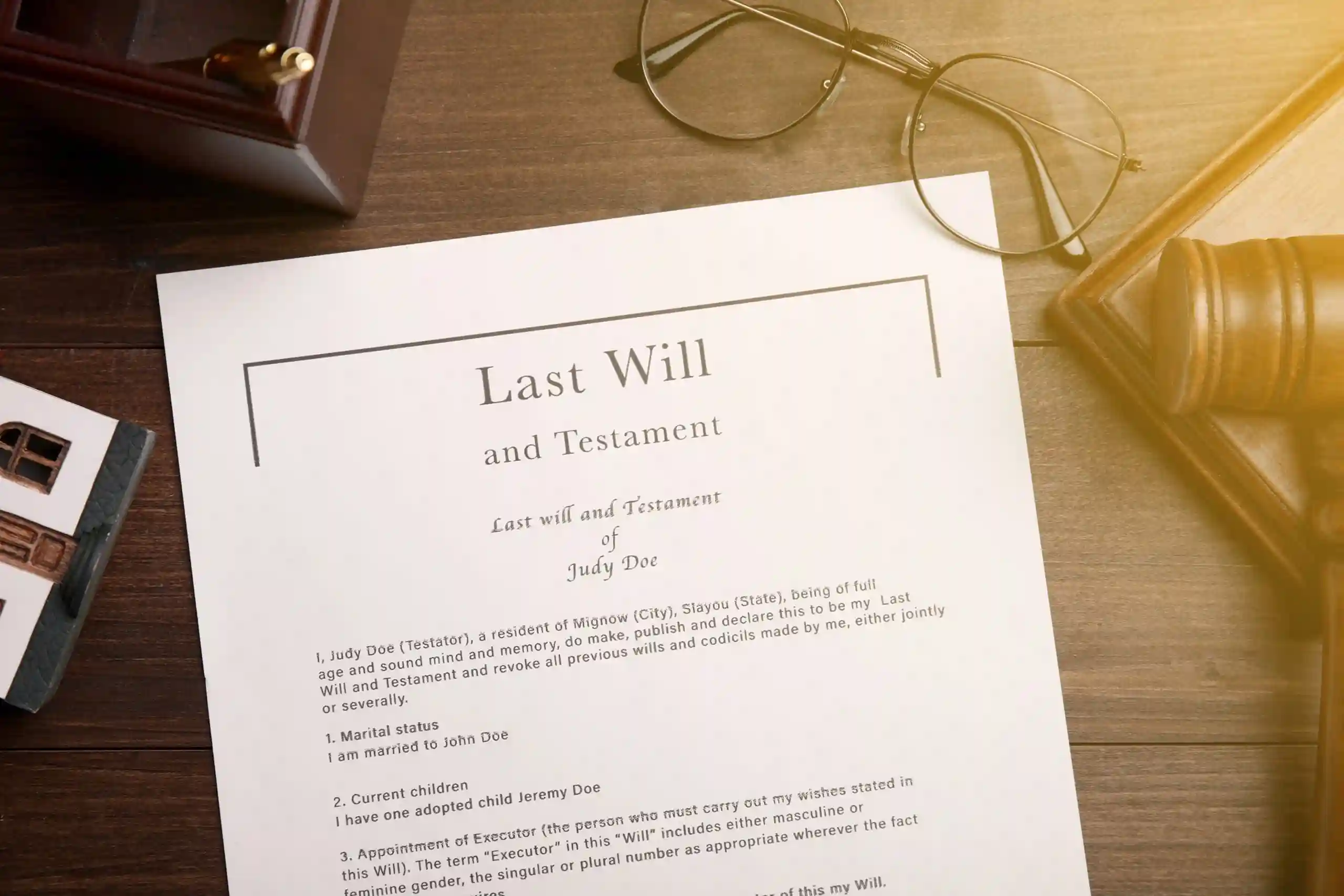
Continue Reading What to Expect in a Divorce Trial: Key Steps & Common Mistakes